Table Of Content

The devil’s ivy or golden pothos is so very tolerant of neglect that it manages to stay green even in dark environments. It can filter out indoor pollutants, but it’s also quite toxic if ingested. The Boston fern revels in damp soil, so either you’ll need to put peat moss or make it a habit of watering it frequently. It can tolerate drought very well, though, so it’s okay if you forget to water it once.
Our 50 Best Indoor Plants: Easy to Care for House Plants Guide
Herbs also contain vitamins, minerals, and antioxidants, which are a boon for your dietary routine. Here you can find nutritious and delicious ideas, inspiration, resources, tools & tips to help you grow – whether that is your plants, animals, or you personally. Fortunately, these plants play very well with your pets, too! They don’t cause allergic reactions in your furry friends. Mother of thousands can tolerate neglect, but it will look its best with regular watering. With its big leaves, this plant is a great choice for filling up an empty space, like in the image above.

Pampas Grass Guide: How to Plant & Care for “Cortaderia Selloana”
The only thing that levels the Boston fern up from easy is its love of steam. Because it thrives in low light and humidity, it makes a great bathroom plant. Hang it in a corner, allowing its dark green fronds to drape down, and water it regularly—but only once the soil has completely dried out.
Best Low-Light Indoor Plants
The flowers are actually coloured bracts that last for several weeks. It has fleshy leaves and stems, so doesn’t need too much watering. Wear gloves when handling – the plant has sharp thorns and also an irritant sap. Succulents and cacti are extremely popular and it’s easy to see why – they come in range of shapes, sizes and colours, such as the bunny-eared prickly pear cactus. Most will grow on a sunny windowsill and are low maintenance.
Chinese Fan Palm
This large indoor tree should be in a well-lit room and watered regularly. Keep in mind that you may need to repot this plant annually, as it can grow between 3 and 6 feet in height. One of the most impressive and hard to kill indoor plants is the kentia palm.
Houseplants That May Be Good for Your Health
Hoya carnosa and Hoya kerrii are perhaps the most commonly grown hoyas, but there are many more exciting and easily grown types to branch out into, too. "Just dunk them in water for about two or three hours every 10 days or so," says Tovah Martin, expert gardener and author of The Indestructible Houseplant. Their name is derived from the Greek words philo-, which means "love," and dendron — the word for "tree." Most types of Philodendron can tolerate dark corners and very little watering. "They like to be on the dry side," says Sharon Nejman, Senior Horticulturist at Chicago Botanic Garden, so don't fill the watering can more than once per week. Plants offer immediate benefits by improving mood and stress management, Cates says.
They thrive in high humidity, so they're a great choice for your bathroom—or you may need to place them in a saucer with pebbles and standing water to provide a humid environment. "I’d recommend bromeliads for those hoping to add a splash of color to the room," Pangborn says. "It's a great alternative to gifting traditional flowers."
Best Houseplants for Beginners
This popular, easy-care plant thrives in just about every light or water situation, and may also serve as a natural air purifier. You can find variations with colorful leaves to help brighten up a dark corner of your house. One of the stars of the past few years, the monstera (or Swiss cheese plant) is beloved for its pretty leaves. "Monstera is one of my favorite plants that make a statement, perfect for a bright open space," Pangborn says. "Known for its fast-growing nature and large leaves with dramatic holes that resemble Swiss cheese, the Monstera is an easy choice and is adaptable to most indoor environments."
Parlor Palm (Chamaedorea elegans)
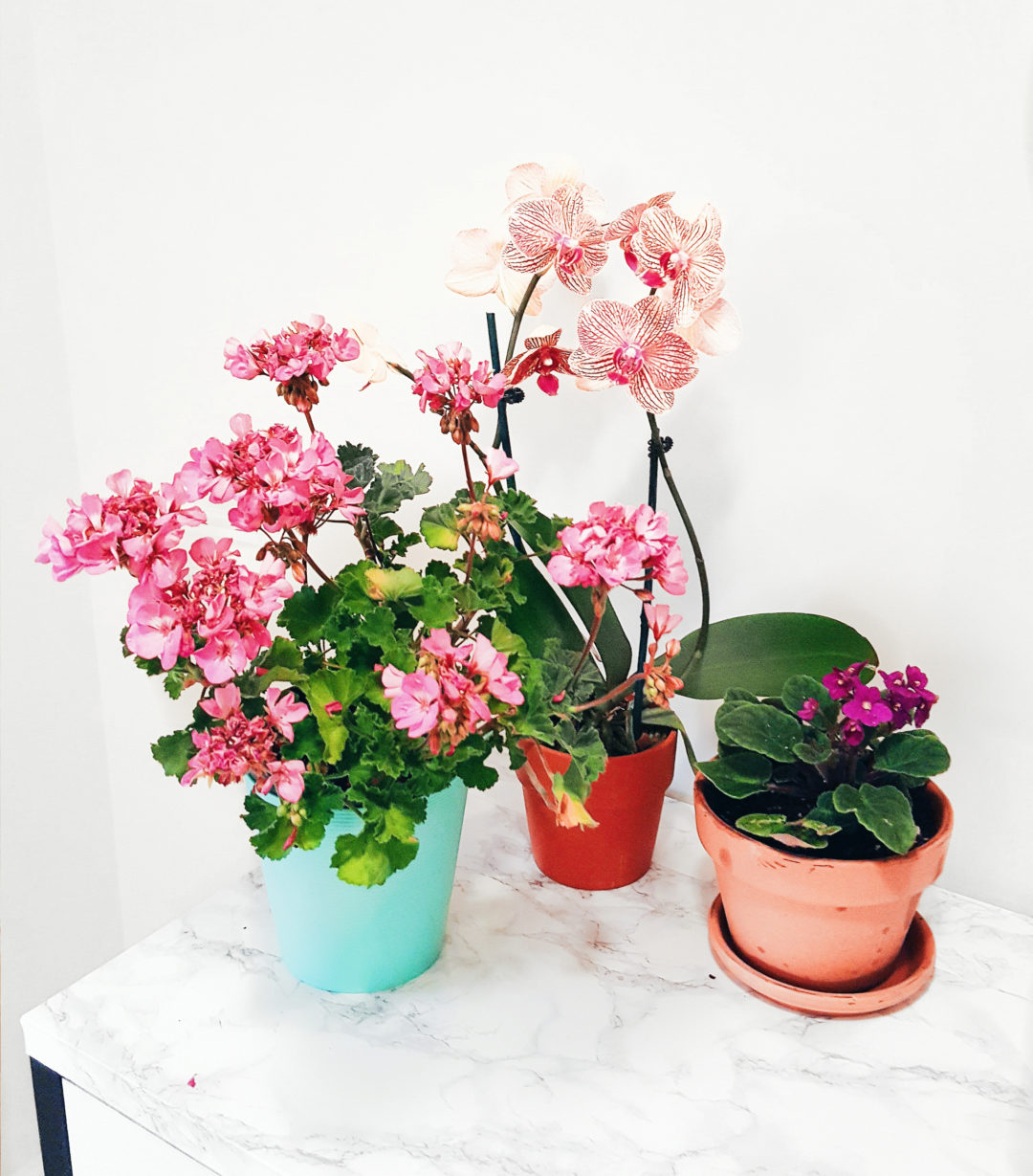
Handling soil, which contains microbes, can promote microbiome diversity in your home, which could benefit gut and skin health. Many non-native plants prefer specific temperatures and humidity levels. Some tolerate adverse conditions, but there are those that have a narrow range of allowable amounts of moisture.
The 10 Easiest Types of Succulents to Grow as Houseplants - Better Homes & Gardens
The 10 Easiest Types of Succulents to Grow as Houseplants.
Posted: Tue, 16 Apr 2024 07:00:00 GMT [source]
Aloes prefer tight quarters and keeping them slightly root bound may help promote blooming, which doesn't always happen when they are grown indoors. Grow them in a sandy, well-drained soil such as a cactus potting mix. Ideal for narrow windowsills, the slow-growing succulent remains neat and compact. Jade plants can live for decades and are easy to propagate from leaf or stem cuttings.
There are many different species of Philodendron, but most are known for their large, glossy, green leaves. It features a thick, swollen trunk that stores water and long, thin leaves that arch out from the top, resembling a ponytail. Lavender plants have gained their popularity due to their highly fragrant properties. Their bloomings keep their aromatic fragrance even when they dry out. Besides their stress-relieving attribute, lavender flowers are edible and serve well as a seasoning for stews, salads, and soups.
They spread all over the world fast because they are very easy to propagate. This means that you can easily grow more of these beauties and share them with friends. Do you often dream about bringing the tropical ‘Jungalow’ design into your home, but have no idea where to start?
Desert cacti will benefit from bright and direct light, watering when the soil begins to dry, and hot and dry conditions. If you are eager to create a healthier environment and want to purify your home, you should definitely add a Peace Lily to your wish list. These blooming ornamental houseplants are very popular due to their remarkable ability to clean the air from their surroundings. Read on to find out which beautiful plants can easily be grown indoors, here our are top 50 indoor plants. Many of these plants grow best in areas that receive lots of sunlight and remain fairly warm throughout the day — so look around your place for your sunniest spot. Spider plants like bright light but preferably not direct sun.
30 Easy Houseplants Even Beginners Can't Kill - Southern Living
30 Easy Houseplants Even Beginners Can't Kill.
Posted: Sun, 17 Dec 2023 08:00:00 GMT [source]
Snake plants are also said to purify indoor air, so some folks like them for their supposed purification qualities, too. As an added bonus, they’re very drought-tolerant—ideal if you regularly forget to water your plants. It's always a good idea to check the mature size and growth rate of your tree to make sure you have enough space to accommodate it. Here dry climate gardening expert Noelle Johnson picks three of her top choices for palm trees that will thrive in an urban space. Most palms grow best in full sun but there are some varieties that will do well in partial shade or indirect light too.
It thrives in bright, as well as low light, and it lives quite a long life. The cast-iron plant must have been named so because it has an iron-hard tolerance for neglect. It grows best when it gets plenty of water, but it can live with less, too. Indoor gardening is an attractive proposition for the average urban dweller.